Look below the glucose
One metabolic system.
Many warning lights.
Glucose is measurable, but it is only one expression of a much larger metabolic story.
Fatty liverHigh blood pressureHigh triglyceridesSleep apneaPCOSGoutHeart & stroke riskLow testosterone / libidoFatigueJoint load
Fatty liver, hypertension, dyslipidemia, PCOS, sleep apnea, gout and vascular risk frequently travel with insulin resistance. Thyroid disease can coexist and deserves proper assessment, but should not automatically be blamed on diabetes.
The dawn phenomenon
“I didn’t eat.
Why is my morning sugar higher?”
Because glucose does not come only from food. Your liver stores it—and releases it.
In the early morning, circadian hormones signal the liver to increase glucose production so the body can wake and move. In type 2 diabetes, liver insulin resistance and an insufficient insulin response can let that rise run higher than intended.
A typical clue is a stable overnight glucose followed by a pre-dawn rise, without a preceding low. CGM—or selected overnight checks interpreted with your care team—can help separate dawn physiology from late food, poor sleep, medication timing or nocturnal hypoglycemia.
10 PM2 AM5 AM7 AM
Sleeping
Hormones rise
Liver releases glucose
Morning glucose ↑
What may helpEarlier, lighter evening mealsLess refined carbohydrate at nightPost-dinner movementBetter sleep and sleep-apnea treatmentClinician-guided medication timing
Maintenance is treatment
Remission is a direction, not a finish line.
Weight regain can rebuild liver and pancreatic fat, and glucose can rise again. The maintenance plan begins before the weight-loss phase ends.
01Know your guardrail
Set a personal weight range that triggers early action—not shame.
02Protect muscle
Prioritize adequate protein and progressive resistance training.
03Keep measuring
Repeat A1C and cardio-kidney risk assessment; continue eye and foot care.
04Plan for relapse
Use a pre-agreed food, fasting, medication or support “rescue” plan early.
MD, PhDFamily Physician
Metabolic Health
About the physician
Dr. Rajat Thapa
Family Physician in Airdrie, Alberta, with a focused clinical interest in metabolic health, obesity, insulin resistance and sustainable chronic disease care.
Dr. Thapa helps people understand why rising blood sugar, fatty liver, high blood pressure, sleep disruption, gout, PCOS and other cardiometabolic concerns so often cluster. His approach begins with the major physiological target—enough weight loss to reduce ectopic fat—then uses carbohydrate reduction, meal timing, movement, sleep and medication according to the individual.
Before medicine, Dr. Thapa completed a PhD in behavioural neuroscience at the University of Lethbridge. That training shapes his practical approach to behaviour change: improvement lasts when the environment and routine make the desired action easier to repeat.
He lives in Airdrie with his family and is the founder of CentaurMD.ca, reflecting an ongoing interest in building tools that support better care and decisions.
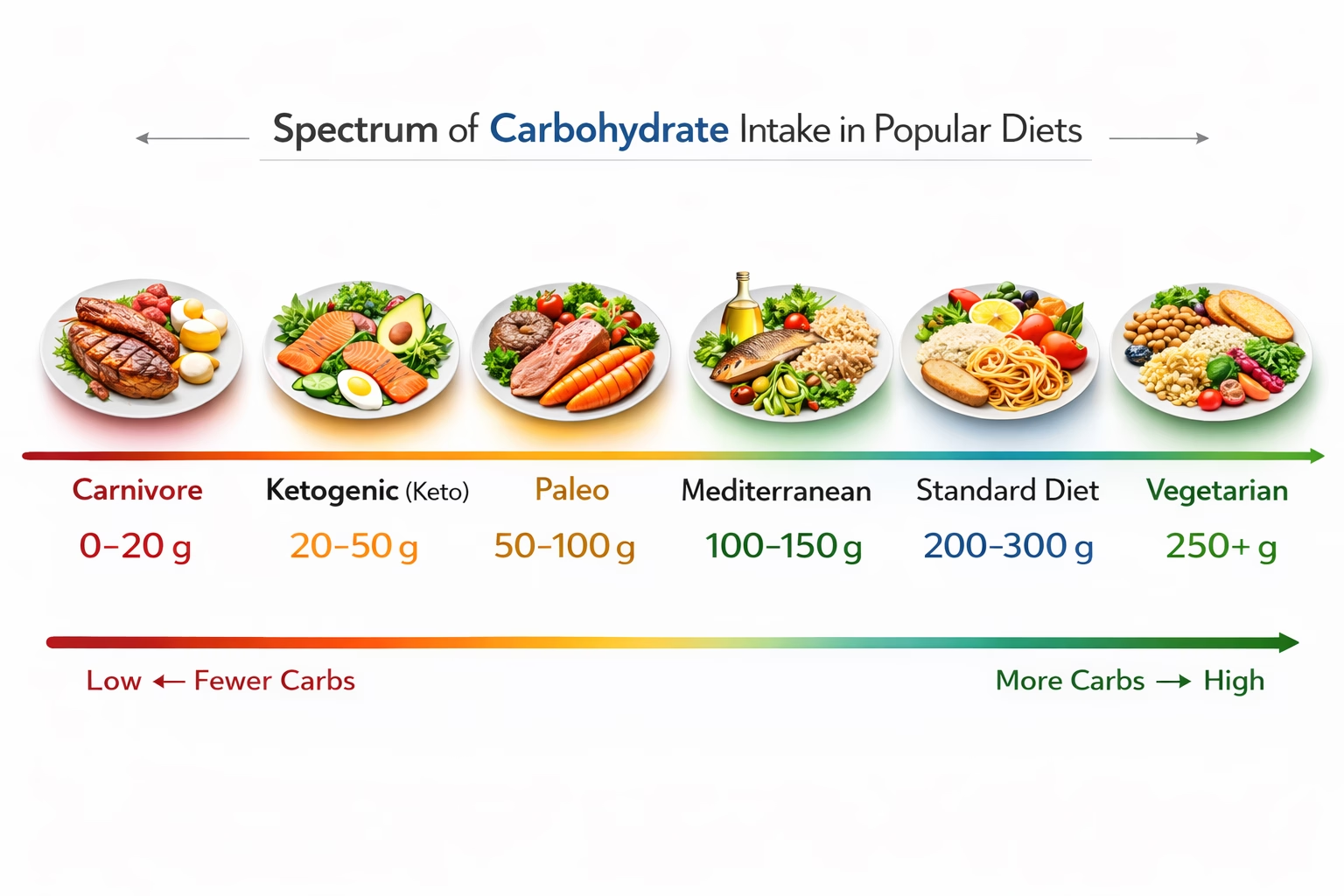
“The diet name is not the treatment. The treatment is reaching and maintaining the physiology of remission safely.”